
The 10x Profit Rule: How to Price Items Like a Pro Flipper
Master the profit multiplication strategy that successful flippers use to maximize returns. Learn when to apply the 10x rule and identify high-potential items.

Ever wonder why some flippers consistently find items that sell for hundreds while others struggle to make a decent profit? The secret often lies in understanding the 10x profit rule – a pricing framework that separates amateur thrifters from professional resellers.
What Is the 10x Profit Rule?
The 10x rule is simple: aim to sell items for at least 10 times what you paid for them. Find a vintage leather jacket for $5? Price it to sell for $50 or more. Spot designer shoes for $8? Target a selling price of $80 minimum.
This isn't just wishful thinking. Experienced resellers have found that this multiplier accounts for all the hidden costs of flipping: platform fees, shipping materials, storage space, and most importantly – your time. According to seasoned flippers in online communities, this rule helps ensure that even after all expenses, you're left with meaningful profit.
"The 10x rule isn't about being greedy – it's about being sustainable. When you factor in fees, returns, and dead inventory, you need substantial markup to stay profitable." - Community insight from active resellers
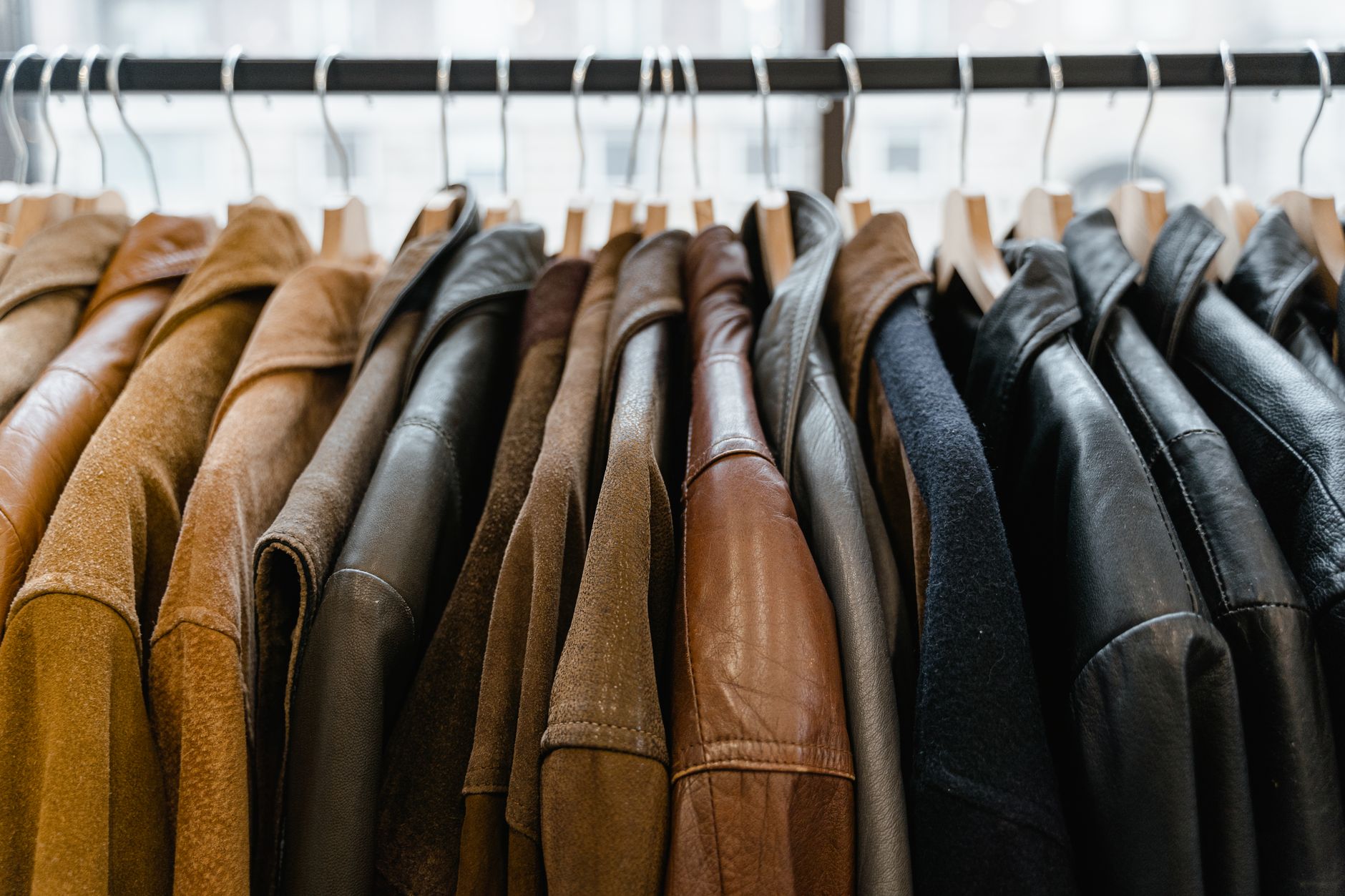 Photo by MART PRODUCTION on Pexels
When the 10x Rule Works Best
Not every item deserves the 10x treatment. This strategy shines brightest with specific categories:
Designer and Luxury Items Authentic designer pieces often have massive retail-to-thrift price gaps. A $3 Coach purse that retails for $300+ is perfect 10x material. The brand recognition and perceived value support premium pricing.
Vintage and Collectibles Items with nostalgic appeal or collector demand frequently hit 10x margins. Think vintage band t-shirts, retro gaming consoles, or mid-century home décor. Research suggests these categories maintain strong resale value because they're no longer in production.
Specialized Tools and Equipment Professional-grade tools, musical instruments, and hobby equipment often retain significant value. A $15 vintage camera lens that sells for $150 isn't unusual in this space.
The ROI Sweet Spot
| Purchase Price | Target Sale Price | Category Examples |
|---|---|---|
| $1-5 | $10-50 | Small accessories, books, vintage items |
| $5-15 | $50-150 | Designer clothing, electronics, collectibles |
| $15-30 | $150-300 | Luxury items, professional tools, rare finds |
Pro Tip: The 10x rule works best when you're buying items under $30. Beyond that price point, the math gets harder to justify for most buyers.
Spotting 10x Potential in the Wild
Many flippers have developed an eye for items with extreme profit potential. Here's how to train yours:
Look for Quality Indicators Heavy materials, solid construction, and premium details often signal value. A leather item that feels substantial, jewelry with hallmarks, or electronics with metal (not plastic) components deserve closer inspection.
Research Brand Hierarchies Not all designer brands are created equal. Understanding which labels command premium prices in your categories saves time and increases success rates. Some brands maintain value better than others across different product types.
 Photo by Yasin Koçtepe on Pexels
Check for Completeness Items with original packaging, accessories, or documentation often command higher prices. A vintage camera with its original case and manual will significantly outperform the same camera alone.
Breaking the Rule: When 5x or 3x Makes Sense
Successful flippers know when to bend their own rules. Sometimes lower multipliers lead to better overall profits:
Fast-Moving Inventory Items that sell within days at 5x your cost might be more profitable than 10x items that sit for months. Quick turnover means faster capital recycling and less storage hassle.
Volume Opportunities If you can buy multiple units of the same profitable item, lower margins with higher volume often win. Business resources indicate that consistent, smaller profits often outperform sporadic large ones.
Market Testing When you're unsure about demand, starting with a lower multiplier helps you learn the market without risking unsold inventory.
 Photo by Kevin Bidwell on Pexels
The Psychology Behind 10x Success
This pricing approach works partly because it changes your buying behavior. When you need 10x potential, you become more selective. You naturally gravitate toward higher-quality, more desirable items instead of settling for marginal finds.
Resellers who embrace this mindset report spending less time on low-value items and more time researching and sourcing premium inventory. The result? Higher per-hour earnings and more sustainable businesses.
The Confidence Factor Pricing with healthy margins also builds confidence. You're less likely to undersell yourself when you know your item cost was minimal. This confidence translates to better listings, more patient selling, and ultimately higher sale prices.
Advanced 10x Strategies
Seasonal Timing Some items naturally command 10x prices during specific seasons. Holiday decorations in January, summer clothes in winter, and graduation gifts in early spring often provide exceptional margins for patient sellers.
Bundling for Multiplier Magic Combining related low-cost items into themed bundles can achieve 10x margins even when individual pieces wouldn't qualify. A $2 vintage scarf, $3 brooch, and $1 earrings might sell as a "vintage accessories lot" for $60+.
Condition Arbitrage Sometimes the 10x opportunity comes from recognizing potential in damaged items. A designer bag with a broken zipper that costs $10 might sell for $100+ after a $5 repair.
Key Takeaways
• Start selective: Only buy items with clear 10x potential until you develop better market intuition • Factor all costs: Remember that your $5 purchase becomes $8-10 after fees and materials before you see profit • Quality over quantity: Five $5 items that sell for $50 each beat twenty $2 items that sell for $10 each • Learn your categories: Master 2-3 product types rather than dabbling in everything • Be patient: 10x items often take longer to sell, but the margins justify the wait
Making It Sustainable
The 10x rule isn't just about individual transactions – it's about building a profitable flipping operation. When you consistently aim for these margins, you create breathing room for mistakes, slow-selling inventory, and market fluctuations.
Experienced flippers use this rule as a filter, not a rigid requirement. It helps them focus on items with real profit potential while avoiding the trap of buying everything that's "just a good deal."
Remember, the goal isn't to apply 10x to every single item you buy. Instead, use it as a benchmark to train your eye for value and build a sustainable reselling business that rewards your time and effort appropriately.
Photo by Kampus Production on Pexels