
Electronics Flipping Guide: Cameras, Smartphones & Tech Accessories
Master electronics reselling with proven strategies for sourcing, testing, and flipping cameras, smartphones, and tech accessories while avoiding costly pitfalls.
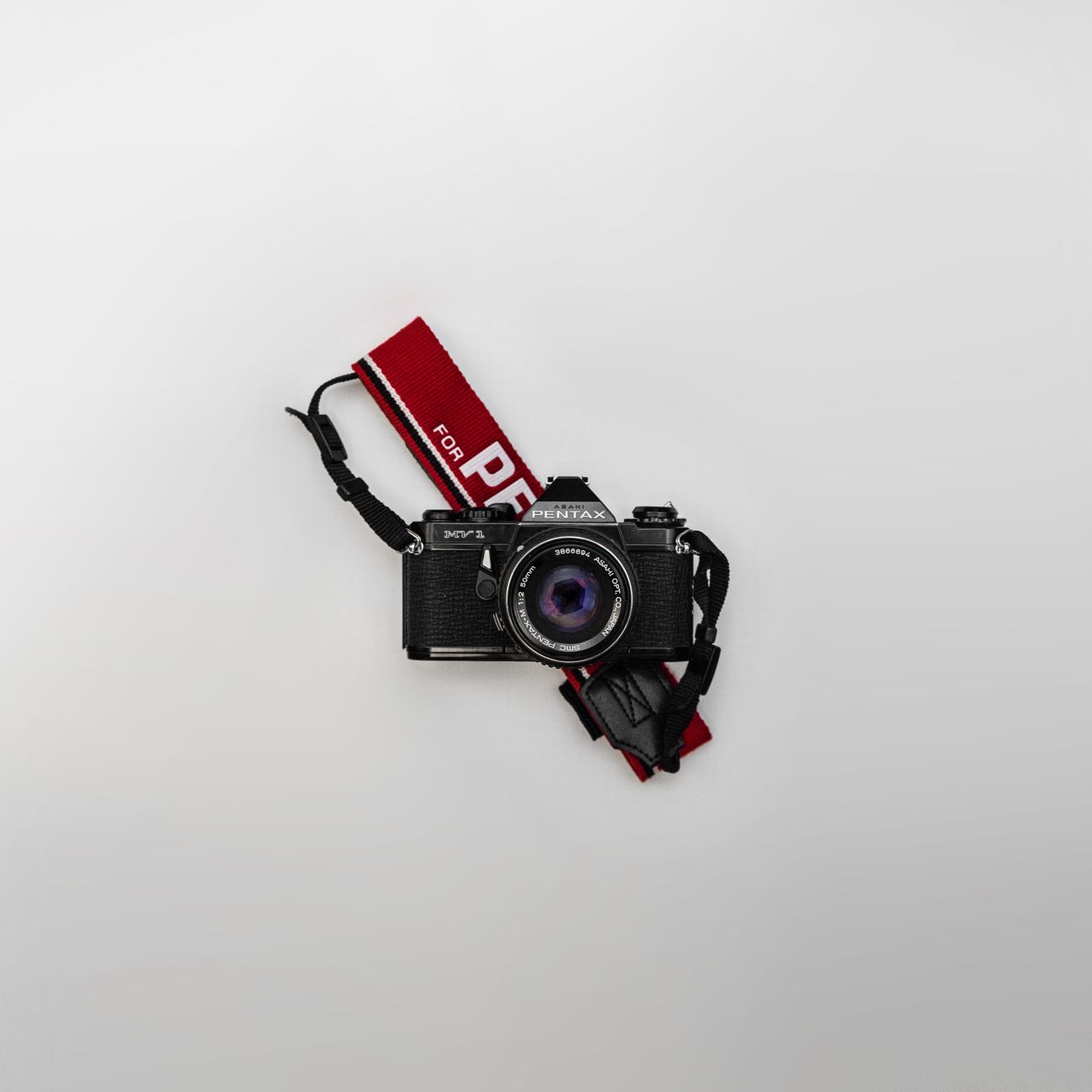
Ever walked past a garage sale table loaded with old cameras and wondered if there's money hiding in that pile? You're not wrong to be curious. Electronics flipping can deliver some of the fattest profit margins in the reselling game. But here's the catch: it's also where rookie mistakes can cost you serious money.
While clothing might net you $20-30 profit per item, a single vintage camera or flagship smartphone can easily bring in $200-500. The numbers are tempting, but electronics come with their own rulebook.
Why Electronics Are Worth the Extra Effort
The profit potential in electronics isn't just hype. Experienced resellers consistently report that tech items offer the highest return on investment compared to other categories. A $50 digital camera found at an estate sale might sell for $300 online, while that same $50 investment in clothing rarely yields more than $150.
What makes electronics so lucrative? It's simple supply and demand economics. Tech products have:
- Defined specifications that create clear value tiers
- Global appeal – a Canon lens has the same value in California as it does in Tokyo
- Collector interest that drives premium pricing for vintage and discontinued items
- Professional user base willing to pay top dollar for quality equipment
 Photo by Nicholas Garman on Pexels
Many flippers have found that electronics also move faster than other categories. While that vintage dress might sit in your inventory for months, the right smartphone or camera often sells within days of listing.
Smart Sourcing: Where to Find Your Next Big Score
Sourcing electronics isn't just about hitting every thrift store in town. The best finds often come from places where people don't realize what they're selling.
Estate sales top every experienced flipper's list. Older homeowners often have drawers full of cameras, lenses, and accessories they bought decades ago. The family running the sale might price a $400 telephoto lens at $25 because "it's just an old camera thing."
Facebook Marketplace and Craigslist are full of opportunities for patient hunters. Set up saved searches for specific brands and models, then check daily. Most sellers on these platforms aren't resellers – they're regular folks cleaning out closets who price based on gut feeling rather than market research.
Pro Tip: Search for misspellings like "cannon" instead of "Canon" or "iphone" without the space. These listings get fewer views, which often means lower prices.
Pawn shops can be hit-or-miss, but they're worth checking regularly. Their pricing often reflects what they paid rather than current market value. Plus, pawn shop electronics have usually been tested to ensure they power on.
Garage sales require a strategic approach. Hit the nicer neighborhoods first thing Saturday morning. Look for sales advertising "moving" or "downsizing" – these often have the best electronics selection.
Testing Like a Pro: Avoiding Expensive Mistakes
This is where many new electronics flippers lose money: they buy first and test later. Research suggests that roughly 20-30% of used electronics have some form of functionality issue, so thorough testing isn't optional – it's survival.
For cameras and lenses:
- Check all buttons and dials for responsiveness
- Test autofocus by half-pressing the shutter
- Examine the lens for scratches, fungus, or haze
- Fire off a few test shots and review them on the camera's LCD
- Inspect the battery compartment for corrosion
For smartphones:
- Verify the device isn't stolen by checking the IMEI against databases
- Test all ports (charging, headphone jack)
- Check cellular, WiFi, and Bluetooth connectivity
- Examine the screen under bright light for cracks or dead pixels
- Ensure the device isn't locked to a specific carrier
 Photo by Artem Podrez on Pexels
For accessories and cables:
- Actually plug them in and verify they work
- Check for fraying or damage to cables
- Test charging speeds if possible
- Verify compatibility with current devices
Many flippers have learned this lesson the hard way: that "minor" scratch on a camera lens can cut your profit margin in half. A smartphone with a "barely noticeable" screen crack might be completely unsellable.
Pricing Strategies That Maximize Profit
Electronics pricing isn't guesswork. It's research-driven strategy. Start by checking sold listings on eBay, not current listings. What something's listed for and what it actually sells for can be vastly different.
According to experienced resellers, electronics pricing follows some predictable patterns:
Smartphones depreciate quickly but hold value better if they're:
- Unlocked rather than carrier-locked
- In original packaging with accessories
- Recently released flagship models
- Popular brands (Apple, Samsung, Google)
Cameras and lenses often appreciate over time, especially:
- Manual focus lenses from the 1970s-80s
- Medium format cameras
- Professional-grade equipment
- Discontinued but beloved models
Tech accessories can be surprisingly profitable:
- Original Apple chargers and cables
- High-end audio equipment
- Gaming peripherals
- Camera bags and cases from premium brands
| Item Category | Typical Margin | Turnover Speed | Risk Level |
|---|---|---|---|
| Smartphones | 30-60% | Fast (1-2 weeks) | Medium |
| DSLR Cameras | 40-80% | Medium (2-4 weeks) | Low |
| Vintage Lenses | 50-200% | Slow (1-3 months) | Low |
| Accessories | 100-300% | Fast (1-2 weeks) | Low |
Platform Selection: Where to Sell What
Not all platforms are created equal for electronics. Your selling strategy should match your inventory:
eBay remains the king for electronics, especially for:
- High-value items ($200+)
- Vintage or collectible electronics
- International buyers seeking specific models
- Items that benefit from auction-style pricing
Facebook Marketplace works well for:
- Local sales of bulky items
- Smartphones (buyers like to test before buying)
- Lower-value accessories under $100
- Quick cash transactions
Mercari has found its niche with:
- Trendy electronics and gaming gear
- Items popular with younger demographics
- Mid-range pricing ($50-200)
 Photo by Tofros.com on Pexels
Avoiding Common Electronics Pitfalls
Every electronics flipper has horror stories. Learn from their mistakes:
Don't ignore storage conditions. Electronics hate moisture and extreme temperatures. That camera from a basement sale might have internal corrosion you can't see.
Research before buying trendy items. That hot new gadget might be worth $300 today but $50 next month when the newer version launches.
Factor in return policies. Electronics have higher return rates than other categories. Build this into your pricing and choose platforms with seller-friendly policies.
Keep detailed records. Track serial numbers, purchase prices, and any known issues. This protects you legally and helps with insurance claims.
Don't forget about data security. Always wipe devices completely before selling. Previous owners' forgotten data creates liability issues.
Key Takeaways
• Test everything before buying – 20-30% of used electronics have functionality issues that can kill your profit margins • Focus on estate sales and Facebook Marketplace for the best sourcing opportunities with less competition from other resellers • Research sold prices, not current listings to understand real market value and set competitive pricing • Match your platform to your product – eBay for high-value and vintage items, Facebook for local smartphone sales, Mercari for trendy tech • Factor return rates into pricing since electronics see more returns than other categories, and always completely wipe devices before selling
The Long Game
Electronics flipping isn't about getting rich quick with one lucky find. It's about building knowledge, developing an eye for value, and creating systems that let you consistently profit from technology's constant evolution.
Start small, learn your local market, and gradually work up to higher-value items as your expertise grows. That $20 digital camera you flip today teaches you lessons that help you confidently invest in a $500 professional lens tomorrow.
The electronics market never stops moving, which means there's always another opportunity around the corner. Master the basics, stay curious about new technology, and remember – every expert was once a beginner who decided to start.
Photo by Demetra Ioannidou on Pexels