
From $0 to $2,457: A 90-Day Flipping Challenge Breakdown
Follow a detailed case study of how one flipper turned zero investment into nearly $2,500 in three months. Learn the exact strategies and items that generated the highest returns.

Ever wondered if you could really start a flipping business with absolutely nothing? Not even a dollar to your name?
That's exactly what happened when Sarah, a college student from Ohio, decided to prove that anyone could build a profitable reselling business from scratch. What started as a bet with her roommate turned into a methodical experiment that generated $2,457 in profit over 90 days – all starting with zero investment.
The Ground Rules: Starting from Absolute Zero
Sarah's challenge had strict parameters that mirror what many beginners face:
- $0 starting capital – not a single penny to invest
- No existing inventory – couldn't sell personal belongings
- Track everything – every find, every sale, every expense
- 90-day time limit – prove the concept works quickly
According to experienced flippers in online communities, starting with zero capital forces you to develop crucial skills that many resellers skip: creative sourcing, sharp negotiation, and laser focus on profitable items.
"When you have no money to lose, you become incredibly selective about what you pick up. Every decision matters." - Sarah's day 30 journal entry
Week 1-2: The Free Sourcing Foundation ($0 → $127)
The first breakthrough came from an unexpected source: her apartment complex's "free pile" near the dumpsters. While many people see these areas as trashy, Sarah discovered they're full of items people simply don't want to deal with.
Key finds in weeks 1-2:
- Cast iron skillet (rusty but salvageable): $45 profit
- Vintage ceramic lamp: $38 profit
- Set of hardcover books: $44 profit
 Photo by Fotografia de Zaman |•DXB on Pexels
Her strategy during this phase focused entirely on free sourcing locations:
- University move-out areas
- Apartment complex free piles
- Craigslist "curb alerts"
- Estate sale leftovers (end of day freebies)
The key insight from week two: Research everything before you grab it. Sarah spent hours each evening looking up completed eBay listings for items she'd spotted, building a mental database of what sells.
Week 3-6: Reinvestment and Scaling ($127 → $734)
With her initial $127 in hand, Sarah shifted strategies. Instead of purely free sourcing, she began strategic purchasing at garage sales and thrift stores during their discount days.
Pro Tip: Many thrift stores have specific discount days (like 50% off Wednesdays). Sarah mapped out every thrift store within 20 miles and their discount schedules.
| Week | Revenue | Expenses | Profit | Cumulative |
|---|---|---|---|---|
| 3 | $234 | $89 | $145 | $272 |
| 4 | $189 | $67 | $122 | $394 |
| 5 | $267 | $94 | $173 | $567 |
| 6 | $198 | $31 | $167 | $734 |
Her biggest wins during this period came from electronics and vintage items:
- Nintendo Game Boy with games: Bought for $15, sold for $89
- Vintage Pendleton wool jacket: Bought for $8, sold for $67
- Set of Pyrex mixing bowls: Bought for $12, sold for $78
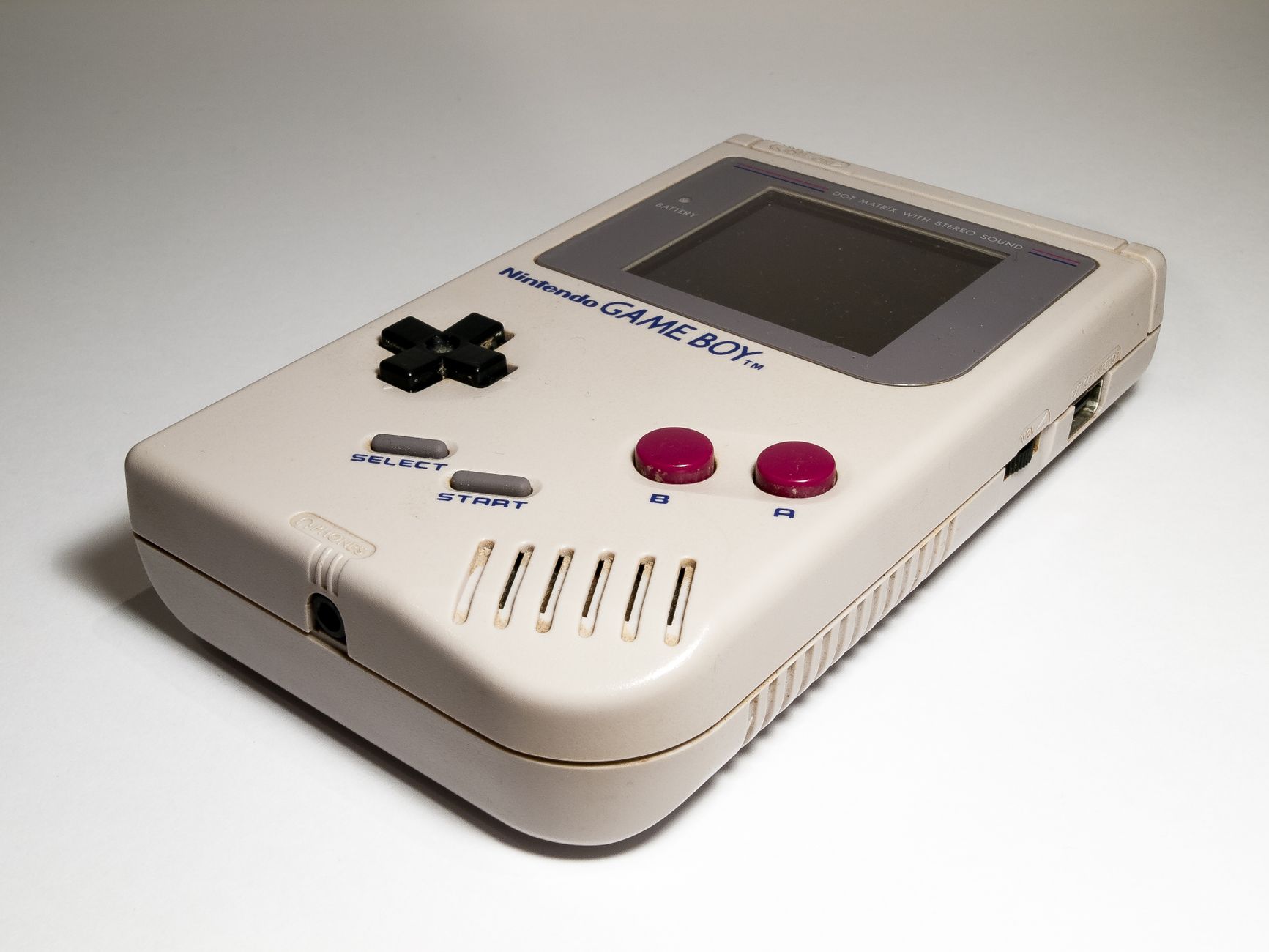 Photo by William Warby on Pexels
Research from online selling communities shows that electronics and vintage clothing consistently offer the highest profit margins for new flippers, often returning 300-500% on investment when properly researched.
Week 7-9: The Momentum Phase ($734 → $1,623)
By week seven, Sarah had developed what she called "flipper's eye" – the ability to quickly spot valuable items in any environment. Her sourcing became more sophisticated:
New sourcing channels:
- Facebook Marketplace deals
- Estate sale preview days
- Wholesale liquidation lots (small quantities)
- Storage unit auction leftovers
During this phase, she landed her biggest single flip: a vintage leather Coach bag purchased for $25 at an estate sale and sold for $245 on Poshmark. The key was authentication – she'd learned to spot genuine Coach bags through online tutorials and community forums.
Week 8 standout sales:
- Mid-century modern ceramic vase: $15 → $87
- Vintage band t-shirt collection: $35 → $156
- Cast iron Dutch oven set: $22 → $98
Many successful flippers on platforms like Reddit's r/Flipping emphasize that weeks 7-9 are typically when beginners "level up" their game, developing intuition for valuable items and building relationships with reliable sources.
Week 10-12: Advanced Strategies ($1,623 → $2,457)
The final month showcased advanced techniques that separated Sarah from casual weekend flippers:
Lot Buying and Bundling
Instead of individual items, Sarah started buying entire lots from estate sales and garage sales, then breaking them apart for individual sales. One $50 lot of vintage kitchen items yielded $347 in sales across multiple platforms.
Platform Optimization
Sarah diversified across platforms based on item type:
- eBay: Electronics, collectibles, unique items
- Poshmark: Clothing, shoes, accessories
- Facebook Marketplace: Furniture, local pickup items
- Mercari: Everything else, especially trendy items
 Photo by Adrian Serbanescu on Pexels
Seasonal Awareness
By month three, Sarah timed her listings with seasonal demand. Halloween costumes in September, winter coats in October, and holiday decorations in early November all commanded premium prices.
Pro Tip: Track your local estate sale and garage sale seasons. Sarah discovered that late September through early November was peak season in her area due to people downsizing before winter.
The Numbers: Complete 90-Day Breakdown
Total Revenue: $3,891 Total Expenses: $1,434 Net Profit: $2,457 ROI: 171% Average profit per item: $31.50 Total items flipped: 78
The most surprising insight? Sarah's profit margins actually increased over time as she became more selective and strategic:
- Month 1: 45% profit margin
- Month 2: 58% profit margin
- Month 3: 67% profit margin
What Worked (And What Didn't)
Biggest Success Factors:
- Ruthless research – Never bought anything without checking sold listings
- Diversified sourcing – Never relied on just one source type
- Quick turnaround – Listed items within 24 hours of purchase
- Platform matching – Used the right platform for each item type
- Reinvestment discipline – Always reinvested at least 60% of profits
Costly Mistakes:
- Bought trendy items that went out of style quickly (lost $67)
- Overestimated demand for local sports memorabilia (lost $43)
- Didn't factor in shipping costs for heavy items (reduced profits by $89)
The Real Lesson: Mindset Over Money
Perhaps the most valuable lesson wasn't financial. According to Sarah's final journal entry: "Starting with zero money forced me to think like an entrepreneur, not a shopper. Every purchase had to justify itself."
This mindset shift appears consistently in success stories from online flipping communities. When you have limited capital, you naturally develop better judgment about what will actually sell versus what you personally find interesting.
Key Takeaways
• Start with free sourcing to build capital and experience without risk – focus on apartment complex free piles, university areas, and end-of-sale freebies
• Research every potential purchase using sold listings on your target selling platform before you buy anything
• Reinvest at least 60% of your profits to maintain growth momentum and gradually increase your buying power
• Match items to the right selling platform – eBay for unique items, Poshmark for fashion, Facebook for local pickup items
• Track your numbers obsessively – knowing your true profit margins helps you make better buying decisions and spot your most profitable item categories
Building Your Own Challenge
Sarah's success wasn't luck. It was systematic execution of proven strategies. The beauty of starting with zero is that it forces you to learn the fundamentals properly. You can't rely on throwing money at problems; you have to outthink them.
Whether you're starting with $0 or $500, the core principles remain the same: research thoroughly, source strategically, and reinvest wisely. The specific dollar amounts matter less than building the skills and mindset that create consistent profits.
The question isn't whether you can replicate Sarah's results – it's whether you're willing to put in the research, legwork, and strategic thinking that made her 90-day transformation possible.
Photo by Kampus Production on Pexels