
Resale Certificate Strategy: Maximizing Your 2026 Tax Savings
Learn how resale certificates can save you thousands on inventory purchases. State-by-state breakdown, common mistakes to avoid, and step-by-step setup guide.
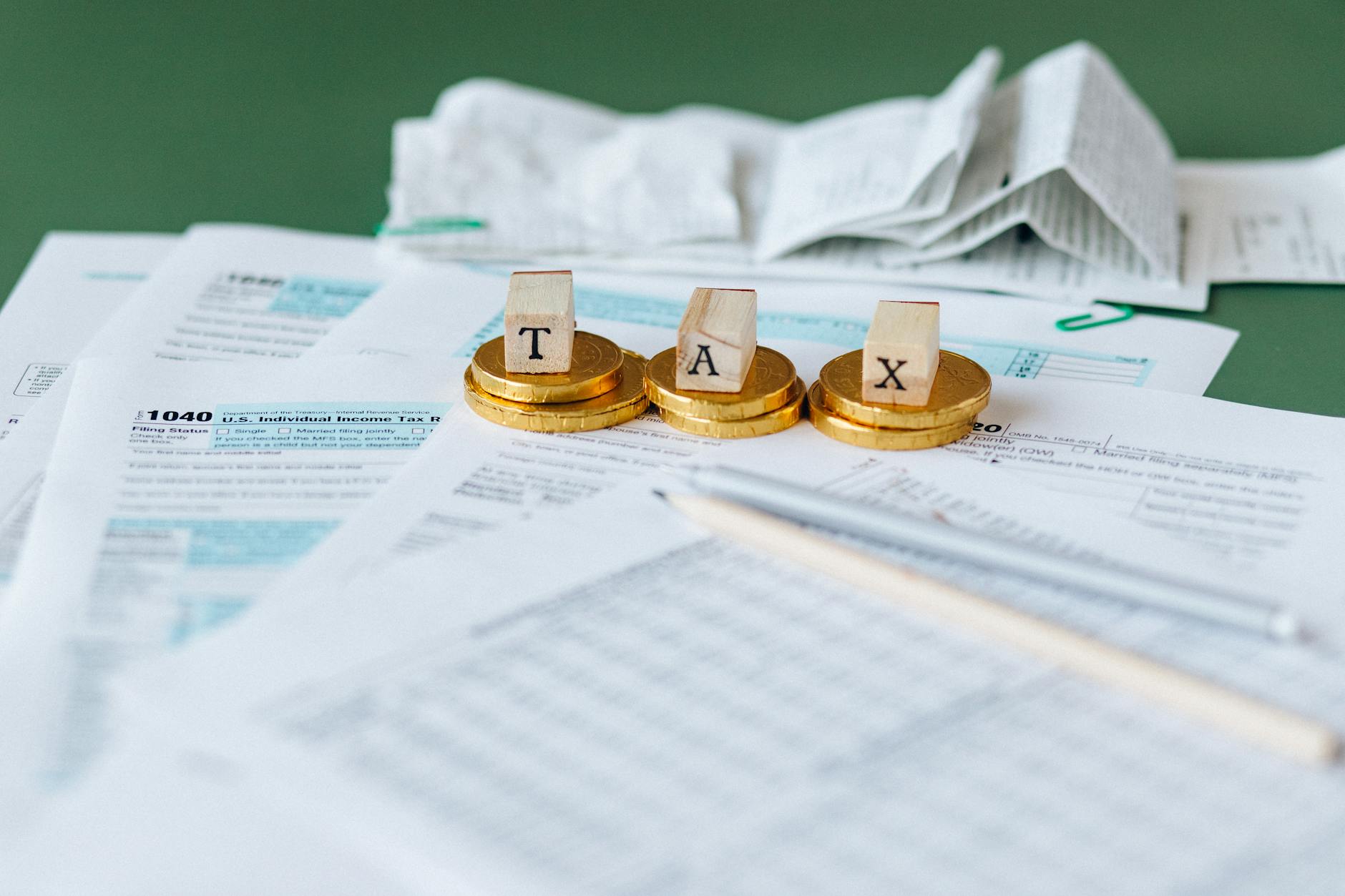
Here's a scenario that plays out every day: You're at a liquidation warehouse, staring at a pallet of brand-new kitchen appliances. The total comes to $800. Then they add sales tax—another $56 to $80 depending on your state. That's money straight out of your margin on items you're just going to resell anyway.
Now multiply that across every wholesale purchase, every estate sale haul, every liquidation run you do all year. We're talking hundreds, sometimes thousands of dollars in sales tax you didn't need to pay.
Enter the resale certificate.
What a Resale Certificate Actually Does
A resale certificate is a legal document that tells sellers you're purchasing inventory for resale—not personal use. Since sales tax is meant to be collected from the end consumer, you're exempt from paying it on goods you'll be selling to someone else.
This isn't a loophole. It's how the system is designed to work. When you eventually sell that kitchen appliance to a buyer, they pay the sales tax (or you collect and remit it on their behalf). The tax gets paid once, at the final sale, not at every step of the supply chain.
The catch? You need proper documentation. No certificate, no exemption. And if you're audited without the paperwork to back up your exempt purchases, you're on the hook for back taxes plus penalties.
Getting Your Resale Certificate: The Basics
The process varies by state, but here's the general path:
-
Register for a sales tax permit through your state's Department of Revenue website. This is free in most states and confirms you're a legitimate business that collects and remits sales tax.
-
Receive your permit number. This is what goes on your resale certificate. Some states issue a separate resale certificate; others just use your sales tax permit number.
-
Complete the certificate form when making purchases. You'll provide your business name, address, permit number, and signature confirming the items are for resale.
-
Present it to sellers before or during the transaction. Some sellers keep your certificate on file for repeat purchases.
That's it. No fees. No complex applications. Just paperwork that legitimizes what you're already doing.

State-by-State Reality Check
Here's where it gets complicated. Every state handles resale certificates differently. Let's break down what you need to know.
States Without Sales Tax
Five states don't charge sales tax at all: Alaska, Delaware, Montana, New Hampshire, and Oregon. If you're sourcing inventory in these states, there's no certificate needed—you just don't pay sales tax.
States That Accept Multistate Certificates
Two multistate certificates can simplify things if you buy across state lines:
- Streamlined Sales Tax (SST) Certificate of Exemption
- Multistate Tax Commission (MTC) Uniform Sales & Use Tax Resale Certificate
Many states accept one or both of these, saving you from filling out a different form for each state. However, acceptance isn't universal.
States With Specific Requirements
| State | Certificate Required | Notes |
|---|---|---|
| California | Form CDTFA-230 | Must have valid CA seller's permit first |
| Illinois | State-specific form | Does NOT accept SST or MTC certificates |
| Virginia | Form ST-10 | Out-of-state permits not accepted |
| Washington D.C. | Form OTR-368 | Must register locally first (FR-500) |
| Mississippi | None | Just need a valid sales tax permit |
| Texas | Form 01-339 | Generally valid for 4 years |
The takeaway: Don't assume your home state certificate works everywhere. Before making a large purchase out of state, verify that seller's state will accept your documentation.
Common Mistakes That Cost You Money
After talking with hundreds of resellers, these are the errors that keep coming up:
Mistake #1: Using a resale certificate for personal purchases
This is fraud. If you buy a TV with your resale certificate and put it in your living room, you owe use tax on that purchase—and potentially penalties if caught in an audit. Only use certificates for genuine inventory.
Mistake #2: Not keeping certificates on file
When you provide a resale certificate to a seller, keep a copy for yourself. If you're audited, you need to prove those exempt purchases were legitimate. Organize by vendor and date.
Mistake #3: Letting certificates expire
Some states require periodic renewal. Illinois certificates, for example, are generally valid for three years. Set calendar reminders to update your documentation.
Mistake #4: Ignoring use tax on out-of-state purchases
If you buy inventory from a seller who doesn't charge you sales tax (like a random eBay purchase or an online supplier without nexus in your state), you may owe use tax. This is the same rate as sales tax, just self-reported. Many resellers ignore this and get caught in audits.

Real Savings: Running the Numbers
Let's quantify what proper resale certificate use saves you annually.
Scenario: You spend $2,000/month on inventory sourcing—wholesale lots, estate sales, liquidation pallets, retail arbitrage. Your state sales tax is 7%.
Without resale certificate:
- Annual tax paid: $2,000 × 12 × 7% = $1,680
With resale certificate:
- Annual tax paid: $0 (on qualifying purchases)
That's $1,680 back in your pocket. At a 30% profit margin, you'd need to generate $5,600 in additional sales to make that same money through flipping.
For higher-volume sellers doing $5,000-10,000 in monthly sourcing, the savings jump to $4,200-8,400 annually. This is real money that compounds your ability to reinvest in inventory.
Setting Up Your System
Here's a practical workflow for managing resale certificates:
-
Create a dedicated folder (digital and physical) for resale documentation.
-
Save blank certificates for states you frequently source from. Fill them out in advance so you're ready at estate sales or liquidation warehouses.
-
Track which vendors have your certificate on file. A simple spreadsheet works: Vendor name, date provided, state, expiration date.
-
Set reminders for certificate renewals and annual use tax filing deadlines.
-
Consult a tax professional for your specific situation. State tax law is complex, and a CPA familiar with reselling can identify savings you might miss.
When Resale Certificates Don't Apply
Not everything qualifies for exemption:
- Supplies you consume in your business (shipping tape, printer ink, cleaning supplies)
- Equipment you use (label printers, photo equipment, storage shelving)
- Services (storage unit rental, repair services on items you'll resell)
The line can get blurry. A shipping box you put inventory into? Probably exempt—it's part of the resale. A box you use to store supplies? That's consumable, not exempt.
When in doubt, pay the tax. The audit risk isn't worth a few dollars in savings on borderline cases.
Key Takeaways
- Get your sales tax permit first. This is the foundation for legitimate resale certificate use.
- Know your state's requirements. Some states have unique forms; others accept multistate certificates. Verify before assuming.
- Keep impeccable records. Save every certificate you issue, organized by vendor and date.
- Only use certificates for genuine inventory. Personal use purchases with a resale certificate is fraud with real consequences.
- Calculate your annual savings using a profit calculator to understand how tax exemptions impact your bottom line.
Start Today
If you've been paying sales tax on every inventory purchase, you've been leaving money on the table. The setup takes an afternoon. The savings last all year.
Head to your state's Department of Revenue website, apply for a sales tax permit if you don't have one, and start using that resale certificate at your next sourcing run. Your margins will thank you.