
The Unsexy Items Making Resellers Rich: Why Boring Beats Hype Every Time
Stop chasing trendy flips everyone fights over. Discover the overlooked, 'boring' items that quietly generate consistent profits with less competition and higher margins.

While everyone's scrambling to score the latest sneaker drop or hunting for Stanley cups at Target, a quiet group of resellers is building serious income from items most people walk right past. Their secret? They flip the stuff nobody thinks to flip.
The best item to resell in 2026 isn't the trendy thing everyone is fighting over on TikTok. It's the boring, invisible problem-solver that no one else is looking for. And that's exactly why it works: less competition, steady demand, and margins that would make the sneaker crowd jealous.
The "Boring Item" Advantage
Before diving into specific items, here's why unsexy flips consistently outperform trendy ones:
| Factor | Trendy Items | "Boring" Items |
|---|---|---|
| Competition | Extreme, hundreds of sellers | Low, most flippers ignore them |
| Price Stability | Volatile, crashes fast | Steady, demand-driven |
| Sourcing Difficulty | Hard to find at good prices | Abundant at thrift stores, estate sales |
| Sell-Through Time | Fast when hot, dead when not | Consistent year-round |
| Profit Margins | 30-50% (when you can find them) | 200-500% (regularly) |
The math is simple: a boring item you can reliably source for $5 and sell for $40 will always beat a hyped item you fight ten other sellers to buy at $80 and flip for $110.
Replacement Parts and "Replenishables"
This is the category that separates casual flippers from people who build real income. Replacement parts, the things people need rather than want, are surprisingly profitable and hiding in plain sight.
Vacuum belts, blender gaskets, and appliance parts sound about as exciting as watching paint dry. But people with a broken Vitamix or a beloved Dyson vacuum will pay a premium for the exact part they need, especially when the manufacturer has discontinued it.
Water filters, printer cartridges, and specialty bulbs are consumables that people buy repeatedly. Find a discontinued filter that fits a popular refrigerator model, and you've got a renewable profit source.
"I pay my mortgage reselling a specific brand of discontinued hairspray. I buy it from dusty shelves in rural drugstores at $4 a can and flip it for $18 on Amazon. People think I'm crazy until they see my monthly numbers." - Reseller community member
Discontinued beauty and personal care products deserve their own mention. When a brand discontinues a shampoo, lotion, or cosmetic that people love, those loyal customers will pay 3-5x retail to get their hands on remaining stock. Check clearance aisles in small-town stores, which often still have inventory that's long gone everywhere else.
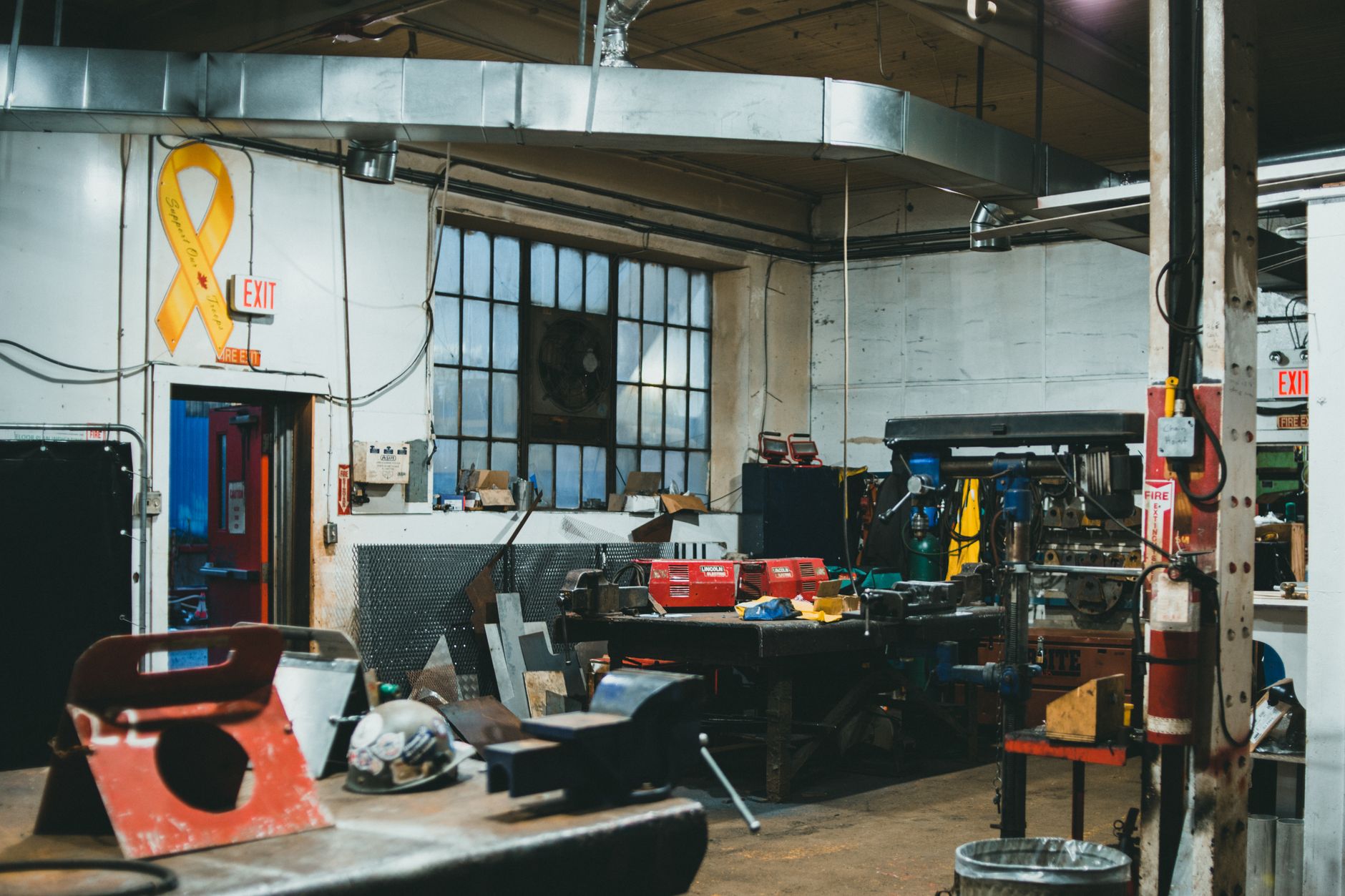 Photo by Jonathan Cooper on Pexels
Industrial and Professional Tools
Quality tools are one of the most reliable flips in the game, yet most resellers walk right past them at estate sales and garage sales. They're heavy, they're dirty, and they don't photograph as well as a pair of Jordans. That's exactly why the margins are incredible.
Brand-name power tools from DeWalt, Milwaukee, Makita, and Snap-on hold their value like few other product categories. Even used tools with visible wear command strong prices because professionals trust these brands and would rather buy used quality than new junk.
| Tool Category | Typical Buy Price | Typical Sell Price | Profit Margin |
|---|---|---|---|
| Cordless Drill Sets (DeWalt/Milwaukee) | $15-40 | $80-150 | 200-400% |
| Snap-on Wrenches & Sockets | $5-20 | $40-100 | 300-500% |
| Vintage Hand Planes (Stanley/Bailey) | $3-10 | $30-80 | 500-800% |
| Laser Levels & Measuring Tools | $5-15 | $40-90 | 300-600% |
| Specialty Clamps & Vises | $5-15 | $30-70 | 300-400% |
Vintage hand tools from Stanley, Bailey, and Disston have a passionate collector base. A Stanley No. 4 hand plane picked up for $5 at a flea market can bring $50-80 from a woodworking enthusiast. The key is learning to spot quality amid the rust.
Specialty and trade-specific tools are where the real money hides. Electrician's tools, plumbing equipment, and automotive diagnostic devices have niche audiences who know exactly what they need and will pay fair market value without haggling.
Office Equipment and Ergonomic Furniture
The remote work revolution created a permanent shift in demand for quality home office gear. And unlike trendy tech gadgets, office equipment doesn't crash in value overnight.
Herman Miller, Steelcase, and Humanscale chairs are the holy grail of this category. These chairs retail for $1,000-2,000+ new, and even heavily used models sell for $300-600. Companies liquidating office space regularly dump them for $50-100 at auction. That's a 300-500% flip with minimal effort.
"I bought 12 Herman Miller Aeron chairs from a company going remote-only. Paid $75 each. Sold them all within two weeks at $450 each. That's over $4,500 profit from one afternoon of loading a truck." - r/Flipping contributor
Commercial-grade monitors and docking stations from companies like Dell, HP, and Lenovo move quietly but consistently. Businesses upgrade their equipment in cycles, and last-generation professional monitors sell fast to home office workers looking for quality without paying full retail.
Kitchen and Dining: The Pyrex Pipeline
Vintage kitchenware is one of those categories that looks completely uninteresting until you check the sold listings and your jaw drops.
Pyrex, Fire-King, and vintage CorningWare have massive collector communities. Certain patterns—like Pyrex "Lucky in Love" or "Pink Gooseberry"—sell for hundreds of dollars. Even common patterns bring $20-40 per piece when you source them for $1-3 at thrift stores.
Cast iron cookware from Griswold, Wagner, and vintage Lodge commands serious money. A gate-marked skillet from the 1800s found at a garage sale for $5 can sell for $100+. Even common Lodge pieces from the mid-century era bring $40-80 after a simple cleaning.
Commercial kitchen equipment like restaurant-grade sheet pans, hotel pans, and prep tools sell consistently to home cooks who've discovered that professional equipment outlasts consumer brands ten to one.
 Photo by Sebastian Luna on Pexels
Craft Supplies and Hobby Materials
This is a category that most male-dominated flipping communities completely overlook, and it's absolutely printing money for those who pay attention.
Discontinued yarn and specialty fibers sell fast to knitters and crocheters who buy in bulk. A bag of high-quality discontinued yarn picked up for $2 at an estate sale can easily bring $15-25 online. Specific colorways that are no longer manufactured are especially valuable.
Sewing patterns and vintage fabric have dedicated buyer bases. Vintage Vogue and McCall's patterns from certain decades sell for $10-30 each, and they literally sit in free boxes at estate sales.
Art supplies and specialty materials like quality paintbrushes, unused canvases, and professional-grade materials consistently sell above their thrift store prices. Artists know what they want and will pay for quality.
Board Games, Puzzles, and Parts
Here's a flip most people would never think of: parting out incomplete board games.
Individual game pieces, tokens, and cards sell to people who lost pieces from their own sets. A single Monopoly thimble token, a specific Catan tile, or a deck of Trivial Pursuit cards can sell for $5-15. When you buy a $1 incomplete game and sell five separate lots of parts, you're looking at $25-50 in total revenue.
Vintage and rare board games in complete condition are even better. Games from the 1970s-80s that aren't reprinted can command $50-200 from collectors.
LEGO by the pound is a well-kept secret among experienced flippers. Buy bulk LEGO for $5-8 per pound, sort out the minifigures, and sell them individually. A single Star Wars or Harry Potter minifigure can be worth $20-50.
The "Nobody Wants This" Test
Here's a framework for finding your own overlooked profit sources:
-
Walk past the obvious. At any estate sale or thrift store, notice what other flippers are ignoring. That's your opportunity.
-
Ask "Who needs this?" Boring items are profitable precisely because someone, somewhere needs them—not wants, needs. Need-based purchases have less price sensitivity.
-
Check the sold listings. Before dismissing any item, spend 30 seconds checking eBay sold listings. You'll be shocked how often a "worthless" item has recent sales at $30-50+.
-
Look for discontinued + essential. The magic formula is an item that was discontinued by the manufacturer but is still needed by its users. These create natural supply scarcity with ongoing demand.
-
Ignore what's "cool." If other flippers are posting it on TikTok, the margins are already compressed. Your best flips will never go viral because nobody thinks they're interesting enough to film.
Building a Boring Empire
The most successful "boring item" flippers share a few key habits:
They specialize deeply. Rather than dabbling in everything, they become the go-to seller for 2-3 specific niches. One seller might dominate vintage sewing machine parts. Another might own the market for discontinued HVAC filters. Depth beats breadth every time.
They build repeat customer bases. When you sell consumables and replacement parts, customers come back. One-time sneaker flips can't compete with a customer who buys replacement vacuum bags from you every three months.
They source where others don't. Business liquidations, government surplus auctions, rural estate sales, and industrial closeouts are all worth checking regularly, but most resellers never visit because they're not glamorous enough.
Key Takeaways
- Stop chasing hype. The items everyone fights over have the thinnest margins. Boring items have less competition and more consistent profits.
- Learn to spot "need vs. want." Items people need (replacement parts, professional tools, discontinued essentials) sell faster and command higher prices than items people merely want.
- Specialize in 2-3 boring niches. Become the expert in your chosen categories and you'll spot deals other flippers miss entirely.
- Check sold listings for everything. The 30-second eBay sold listing check will reveal profit opportunities hiding in items you'd normally walk past.
- Source from non-traditional channels. Business liquidations, rural stores, and industrial auctions are where boring-item flippers find their best inventory.
The Bottom Line
The reselling world has a glamour problem. Social media rewards flashy finds and huge single-sale profits, but the resellers quietly building six-figure businesses are often doing it with items that would never get a single like on Instagram.
The next time you're at an estate sale and everyone rushes to the vintage clothing rack, head to the garage. Check the workshop. Open the utility closet. That's where the real money is hiding, in the boring, overlooked, unsexy items that nobody else thinks to flip.
Your most profitable flip of 2026 is probably something you'd normally step over. Start paying attention to the boring stuff, and watch your margins soar.
Photo by E. Can Çağlar on Pexels