
Back-to-School Reselling: Which Items Are Worth It?
Not all back-to-school finds are worth flipping. Here's the real margin math by category, sourcing cost, sell price, fees, and net profit.
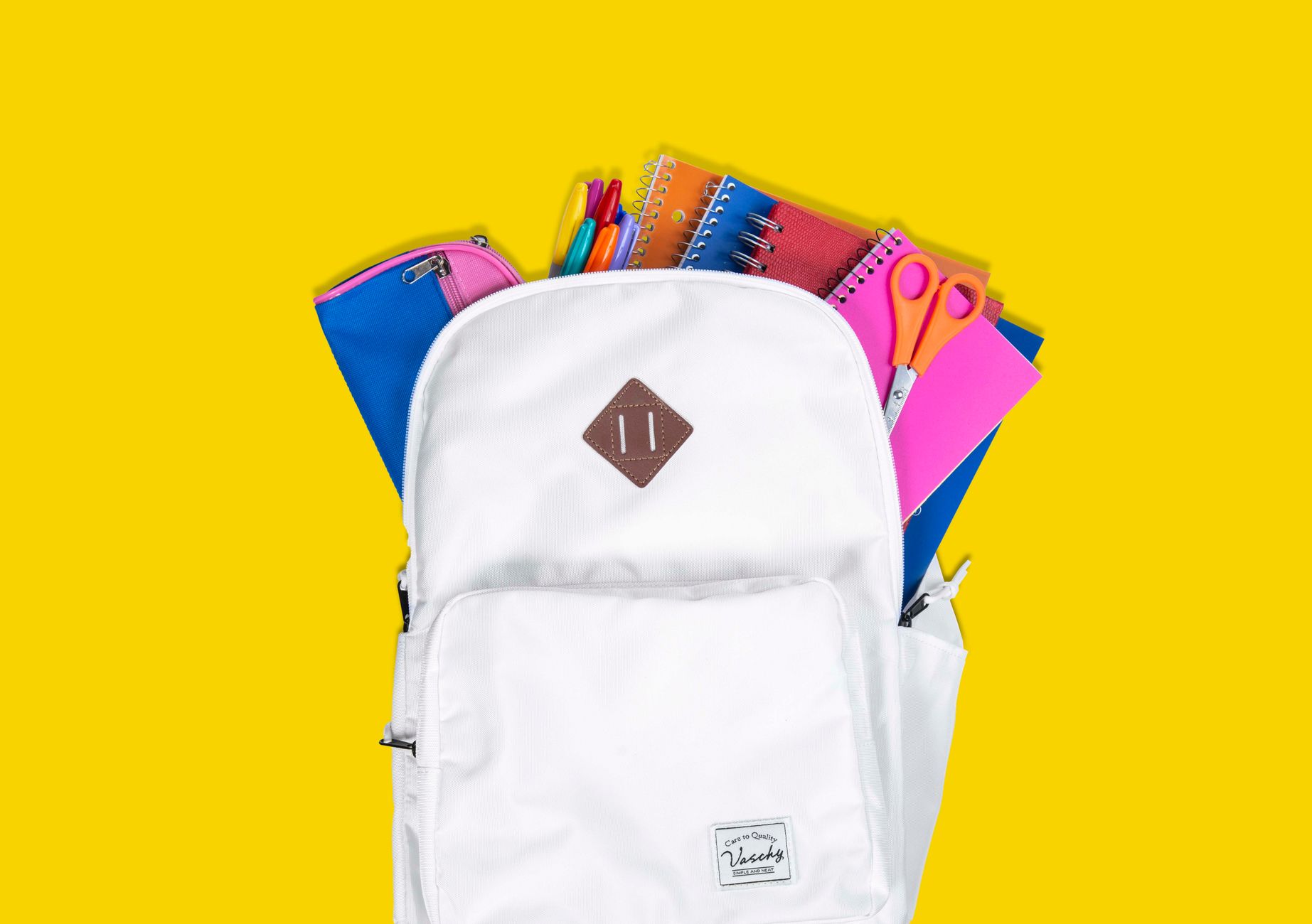
August hits and thrift stores transform overnight. Suddenly there are backpacks dangling from every rack, shelves lined with TI-84 calculators still in their cases, and bins overflowing with dorm stuff that looked perfectly fine to a graduating senior. It looks like opportunity everywhere.
But here's the thing: a lot of it isn't. Not at the margins that make reselling worth your time.
This article isn't about what to buy or when to source it (our back-to-school Q3 sourcing playbook covers that ground thoroughly). This is about the math. For each category, we're going to walk through a realistic sourcing cost, a reasonable sell price, eBay's current fee structure (13.25% + $0.30 per transaction), and the net profit that's actually left in your pocket. Some of these numbers will surprise you, in both directions.
The Fee Reality Check (Before We Get Into Categories)
Let's establish a baseline so the math is consistent throughout. On eBay, the standard selling fee for most categories is 13.25% of the total sale price plus $0.30. That means on a $30 sale, you're paying roughly $4.28 in fees before shipping costs enter the picture.
If you're selling on a different platform, or wondering whether a different platform would yield better margins on a specific item: the Fee Comparator lets you run side-by-side comparisons in seconds instead of doing the math by hand for each scenario.
Okay. Into the categories.
🟢 The Good Stuff: Categories With Real Margin
Graphing Calculators (TI-84, TI-Nspire, HP)
This is the undisputed king of back-to-school reselling, and it's not close.
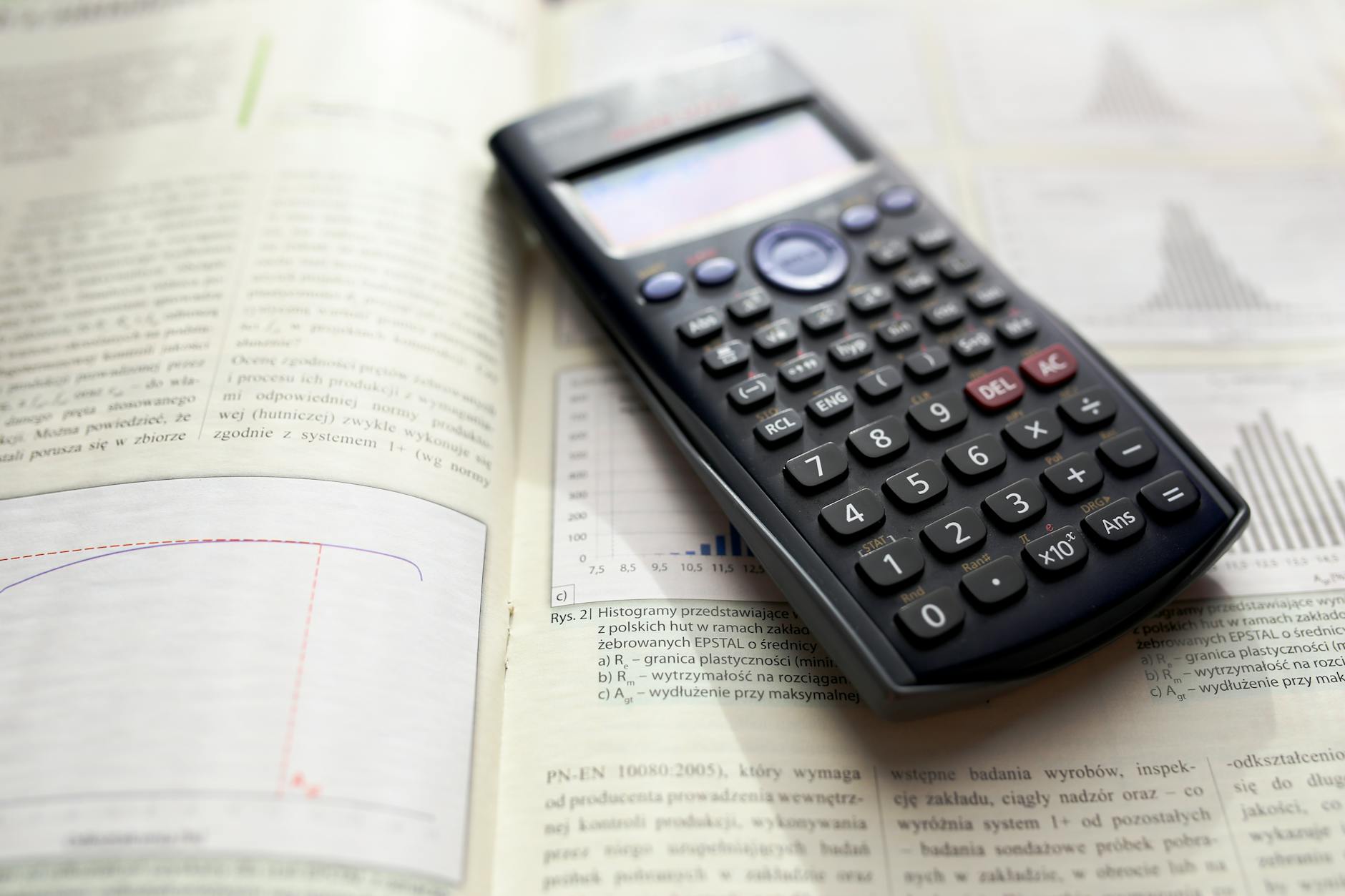 Photo by Kaboompics.com on Pexels
A TI-84 Plus at a thrift store, even priced at $8–12, which is getting more common as thrift stores wise up, still leaves significant room. Here's the math:
| TI-84 Plus | TI-Nspire CX | |
|---|---|---|
| Avg. Sourcing Cost | $10 | $15 |
| Realistic eBay Sell Price | $65 | $85 |
| eBay Fees (13.25% + $0.30) | $8.91 | $11.56 |
| Estimated Shipping | $6.00 | $6.50 |
| Net Profit | ~$40 | ~$52 |
Those are conservatively priced sales, too. CX models in excellent condition with the charging cable regularly sell $95–$110. Even at $8 sourcing, a working TI-84 Plus is one of the best single-item returns in the entire back-to-school category.
The catch: Always test them. A calculator with a dead battery is fine, test with fresh AAs. But a cracked screen or missing battery cover will push the price down 30–40%, and a non-functional one has very limited market. If you're unsure what a realistic sell price looks like on your specific find, run it through the Profit Calculator before you commit.
"Graphing calculators are one of those rare items where the thrift-to-eBay margin hasn't compressed much even as reselling has grown. High school and college students need specific models, and they need them every year."
Quality Backpacks (Specific Brands Only)
Backpacks are everywhere in August. Most of them are not worth buying. But branded backpacks, Osprey, Patagonia, JanSport leather-bottom, Herschel, Fjällräven Kånken, Gregory, absolutely are.
The margin math here is heavily brand-dependent:
Osprey Farpoint or Patagonia Black Hole:
- Sourcing: $6–15 at thrift (often mis-tagged as generic)
- eBay sell price: $45–75 depending on condition and size
- Fees on $55 sale: $7.59
- Shipping (Priority flat rate medium): $10–13
- Net profit: $24–35
Generic no-name backpack:
- Sourcing: $2–5
- eBay sell price: $8–14 (if it sells at all)
- Fees + shipping: ~$12
- Net profit: -$2 to $2
That second scenario is the trap. Generic backpacks look like inventory. They feel like inventory. But they'll sit in your storage space for months and clear almost nothing when they do sell. Know your brands before you buy.
 Photo by Kaboompics.com on Pexels
Dorm Appliances (Specific Models)
Keurig mini brewers, Instant Pot Duos in the 3-quart size, Vitamix blenders. These show up at estate sales and thrift stores regularly in late summer, donated by families clearing out a kid's dorm room.
The Keurig K-Mini is a consistent performer:
- Sourcing: $5–12
- eBay sell price (tested, with pods if included): $28–40
- Fees on $32: $4.54
- Shipping (heavy-ish, ~4 lbs): $10–14
- Net profit: ~$2–12
The wide profit range here depends on whether you can find it locally to save on shipping, and how competitive the listings are when you're selling. At the low end that's not exciting, but you're often sourcing these for $6 alongside higher-margin items, so the question is whether it's worth the floor space in your inventory.
For appliances, always plug them in before you buy. A non-working Keurig is worth approximately nothing.
🔴 The Traps: Low-Margin Items That Look Like Deals
Generic Binders, Folders, and Basic School Supplies
We'll keep this short because the math is quick.
- Sourcing: $0.50–2 each
- eBay sell price: $3–6 each (bulk lots do marginally better)
- Fees + shipping on a $15 lot: $10–12
- Net profit: $2–5 on a lot you spent 30 minutes photographing and packing
You'd need to sell a lot of binder lots to make this a meaningful income stream. The per-hour math doesn't work unless you're building very large lots (20+ pieces) from sourcing that costs you almost nothing.
Pro Tip: The exception is branded or specialty supplies: a vintage Trapper Keeper in good condition, a limited edition Lisa Frank set, or a complete unused set of Leuchtturm1917 notebooks can sell for genuine money. Age and brand specificity changes everything.
Fast-Fashion School Clothes
August thrift racks fill up with kids' and teen clothing. H&M, Shein, Old Navy basics, Forever 21, parents donated the stuff their kids outgrew or stopped wearing. You'll see it priced at $2–4 per piece at most thrift stores.
The honest margin math on fast-fashion resale:
- Sourcing: $2–4
- eBay or Poshmark sell price: $6–12 (if it sells)
- Fees (Poshmark: flat $2.95 on sales under $15; 20% above): $2.95 on most of these
- Shipping credit or cost: variable
- Net profit: $0–6
For a $3 net profit you've photographed, listed, stored, packaged, and shipped a piece of fast-fashion clothing. That's a lot of labor per dollar.
This doesn't mean all school clothing is bad. Vintage Levi's, Nike ACG, Carhartt pieces, or rare collegiate gear can yield $30–80 if you know what you're looking for. The trap is the generic stuff that looks like clothing inventory but isn't.
Standard Lunch Boxes (Non-Brand)
Literally the same analysis as generic backpacks, but worse because they're bulkier to ship and lower in perceived value.
- Net profit after fees and shipping on a $10 sale: approximately $0–3
The only exceptions: vintage metal lunch boxes with thermoses (1970s–80s character or brand themes can sell $25–60 to collectors) and high-end insulated bags like YETI or Hydro Flask lunch totes, which hold value.
Running Your Own Numbers
The categories above give you a framework, but every find is different. The condition, your specific sourcing cost, and which platform you choose will all shift the math.
Before committing to a category or a specific item, it's worth running the real numbers. A tracking app like Flippd lets you log each item from sourcing to sale, so over time, you can see which back-to-school categories are actually performing in your specific markets, not just in general averages. The Profit Calculator is also useful for quick-checking individual finds before you buy.
 Photo by Skylar Kang on Pexels
Key Takeaways
- Graphing calculators are the clear #1 back-to-school category: even at elevated thrift prices of $10–15, the net margin on working units is $35–50+ per item on eBay.
- Brand specificity is everything with backpacks and clothing. Osprey, Patagonia, Fjällräven, and vintage Levi's have real margin. Generic versions of the same category usually don't.
- eBay's 13.25% + $0.30 fee eats into low-price items fast. Any item selling under $20 needs a very low sourcing cost and either free or very cheap shipping to show meaningful profit.
- The "it's only $2" sourcing cost isn't the whole picture. Factor in your time, storage, and shipping before deciding a low-dollar category is worth pursuing at volume.
- Always test electronics and appliances before buying: a non-functional TI-84 or a broken Keurig drops in value dramatically, often below what makes the flip worthwhile.
The Bottom Line
Back-to-school season is genuinely one of the better reselling windows of the year, but only if you're focused on the right categories. Graphing calculators, quality branded backpacks, and specific dorm appliances are worth chasing hard. Generic supplies, fast-fashion clothes, and no-name lunch boxes will fill your inventory space without filling your margins.
Know the math before you buy, not after.
Ready to stop guessing which back-to-school finds are actually worth flipping? Flippd helps resellers log purchases, track inventory, and calculate true profit after all fees and expenses, right from your phone. iPhone, iPad, Android, Mac, Apple Watch, and Web.
Photo by Jacob Yavin on Pexels