
Halloween Flipping Guide 2026: Source in September, Sell by Mid-October
Halloween is a six-week selling window that closes hard. What to source now, how to price costumes and decor, and the shipping cutoffs that decide your margin.

Halloween is the strangest season in reselling. It's the second-biggest spending holiday in the US after Christmas, with shoppers dropping well over $11 billion on costumes, candy and decor, and almost all of that money moves in about six weeks. A costume that sells for $45 on October 12 is a $9 costume on November 2. There is no long tail. There is no "it'll sell eventually."
That's exactly why it's worth your attention. Most resellers either ignore Halloween entirely or wake up to it on October 10, which is already too late to source, list, and ship comfortably. If you start this week, you get the whole window to yourself.
Here's how to run it.
The Calendar Is the Whole Strategy
Everything about Halloween flipping comes down to timing, so let's put the dates on the table first.
| Window | What's happening | What you should be doing |
|---|---|---|
| Late Aug to mid-Sept | Thrift stores start putting out donated costumes; retail clearance from last year still around | Source aggressively. List as you go, don't hoard. |
| Mid-Sept to Oct 1 | Search volume for costumes climbs fast; early buyers (parents, party planners, cosplayers) shop | Have your best inventory live. Photos done, measurements listed. |
| Oct 1 to Oct 18 | Peak. Most costume purchases happen here | Price for full value. Ship same day or next day. |
| Oct 19 to Oct 27 | Last-chance buyers, panic shoppers | Start trimming prices. Offer expedited shipping. |
| Oct 28 onward | Over. Anything unsold is next year's inventory or a donation | Pull listings or drop to clearance. Buy 75%-off decor for 2027. |
The single most common mistake is sourcing in late September and listing in October. By then you're competing against every retailer's markdown and every other reseller who had the same idea. The people who make real money on this season have their listings up before most buyers start searching.
Think of Halloween inventory like produce. Every day it sits unlisted, it's losing value.
What Actually Sells (And What Doesn't)
Not every costume is worth your time. A polyester witch dress from a bag-in-box kit sells for $8 and takes you 20 minutes to photograph and list. Skip it. Here's where experienced Halloween flippers say the money is.
Licensed and character costumes
Anything tied to a franchise moves fastest and holds price best: Star Wars, Marvel, Disney princesses, Ghostbusters, Stranger Things, Pokémon, Super Mario. Adult sizes in licensed costumes are especially good, since retailers stock kids' sizes heavily and adults are heavily under-supplied. A complete Mandalorian or Wednesday Addams set in adult M or L can sell for $50 to $90 if it's clean and has all its pieces.
Completeness is everything. A costume missing its belt, wand, or headpiece is worth half. Before you buy, open the bag or check the tag and count the parts against what's pictured. Buyers will ask.
Vintage and retro pieces
Collegeville and Ben Cooper boxed costumes from the 60s through 80s are collector items, not costumes. The plastic masks alone can sell for $20 to $60, and boxed sets in good condition run into the hundreds. You won't find these often, but when you do, they're the best margin of the season.
Beyond true vintage, anything genuinely 80s or 90s (a real Members Only jacket, a neon windbreaker, a Starter pullover) sells as "80s costume" material to people building a look, and it sells year-round in the vintage category too. That's a useful hedge: if it doesn't sell by October 28, it's just vintage clothing again.
 Photo by Vitaliy Haiduk on Pexels
Decor, especially the big stuff
Halloween decor has quietly become the bigger category. The 12-foot skeleton phenomenon turned yard decor into a competitive sport, and secondary-market demand for animatronics, large props, and discontinued Spirit Halloween and Home Depot pieces is real. Animatronics that retailed for $150 to $300 and sold out in-season regularly resell for retail or above the following fall.
The catch is shipping. A large animatronic can cost $40 to $80 to ship, which is why local pickup on Facebook Marketplace is often the better channel for anything over about 20 pounds. Small decor (ceramic pumpkins, vintage blow molds, Department 56 Halloween village pieces, Rae Dunn and Bath & Body Works seasonal items) ships fine and has a devoted collector base.
The reliable middle
Between hype and vintage there's a solid tier of items that sell every year with little fuss:
- Adult plus-size costumes in any theme. Chronically under-stocked at retail.
- Group and couples costumes that come as a matched set.
- Quality accessories: wigs from real costume brands, prosthetic kits, theatrical makeup unopened, capes, and good masks.
- Kids' costumes in the current year's hot characters, sized 4 to 8. Parents will pay for the right one and they will pay fast.
- Trick-or-treat props: vintage plastic pumpkin pails, especially the older Empire and General Foam ones.
What to leave on the rack
Generic costumes with no brand, no license and no vintage appeal. Anything stained, torn or smelling of a basement. Cheap "sexy" costumes from mass-market brands (thousands of listings, brutal price competition). Used makeup or anything that touches the face and isn't sealed.
Sourcing: Where the Inventory Actually Is
Thrift stores are the obvious source and they're good, but timing matters even here. Most thrifts run a dedicated Halloween section from early September, and the best pieces get picked over in the first week. Go early, go often, and check the regular clothing racks too, since staff frequently mis-shelve costume pieces as ordinary clothes.
End-of-season clearance from last year. This is the real edge. If you bought clearance decor and costumes at 75 to 90% off last November, you're sitting on inventory that costs you almost nothing. If you didn't, this is the year to start. Put it on your calendar for November 1 and treat it as a sourcing trip, not a shopping trip.
Estate sales and garage sales in September are underrated. Families clearing out a house will often have decades of decorations in a bin, priced by the bin. That's where vintage blow molds and boxed costumes turn up.
Post-Halloween Facebook groups and Marketplace. In the first two weeks of November, people give away or sell decor for next to nothing because they don't want to store it. Buy it, store it, list it next September.
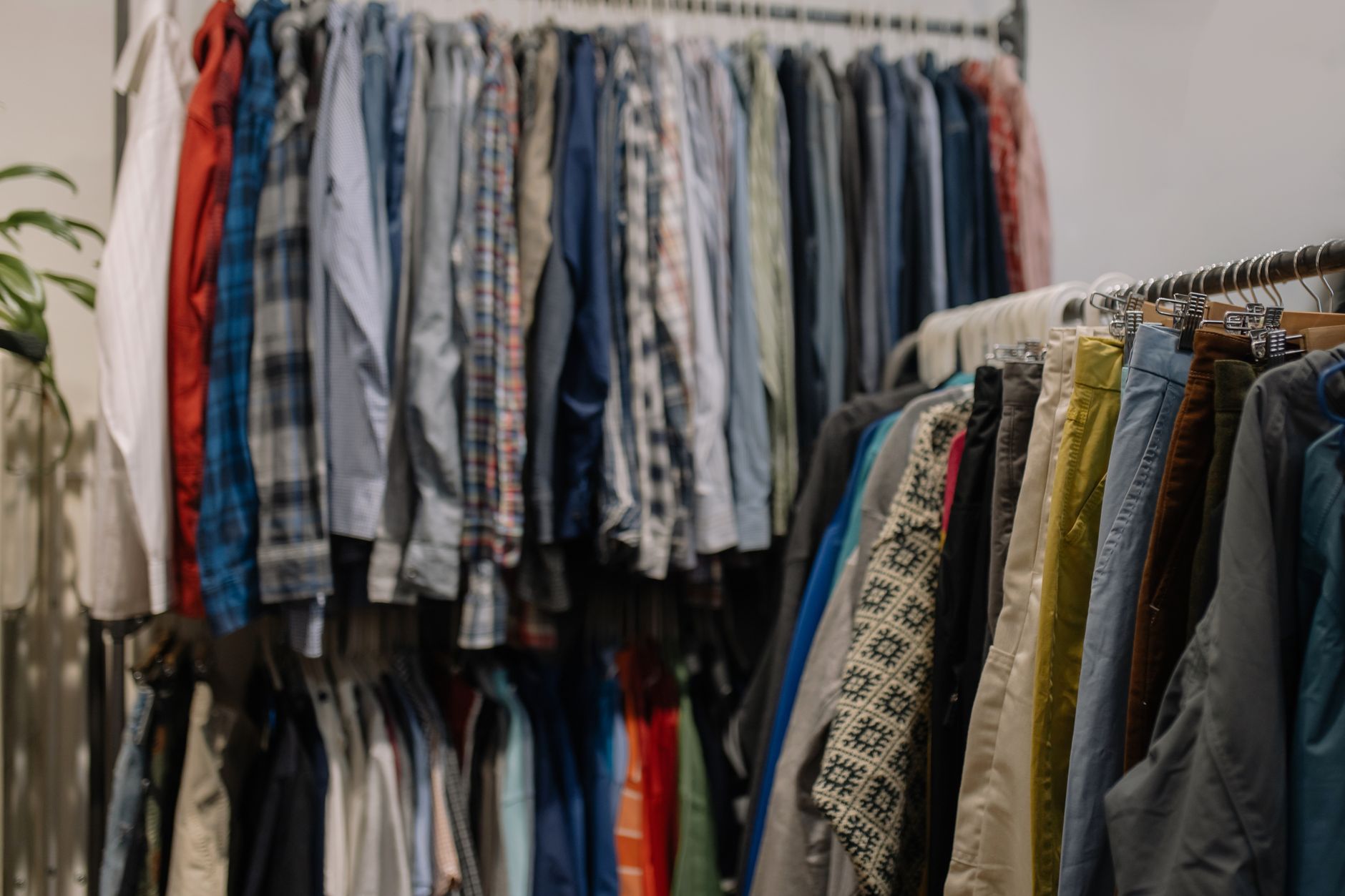 Photo by cottonbro studio on Pexels
Pro Tip: Log each item the moment you buy it, with what you paid and where. Halloween inventory is often bought in bulk (a bag of five costumes for $15, a bin of decor for $20), and if you don't split that cost across the items right away, you'll have no idea which pieces actually made money when you look back in November. An app like Flippd lets you record the purchase and assign cost per item on the spot, so your season-end numbers are real instead of a guess.
Pricing a Six-Week Product
The pricing rule for Halloween is different from the rest of the year: start high, drop fast, and never let something ride into November.
A reasonable approach many resellers use:
- List at the top of comps in September. You're early, competition is thin, and the buyers who show up before October are the ones who don't mind paying for the exact thing they want.
- Hold through mid-October. This is peak demand. Don't panic-drop on October 8 because something hasn't sold yet.
- Cut 15 to 25% around October 20. You want it gone, and the remaining buyers are price-sensitive and deadline-driven.
- On October 27, decide: clearance price, or pull the listing and store it for next year. Storage is only worth it for items with real value (licensed adult sizes, vintage, big decor). Everything else, sell it for whatever it fetches.
Fees still matter, and they're easy to forget when you're moving fast. A $40 costume on a 13% fee platform with $8 of shipping and a $5 buy cost nets you roughly $21.50. The same item on a 20% platform nets under $19. Run a few of your typical items through the Fee Comparator before the season starts so you know where each category should live, and use the Profit Calculator on anything big and awkward where shipping could eat the margin.
Shipping: Where Halloween Margins Die
Costume buyers are deadline buyers. Someone who orders on October 24 needs it by the 30th, full stop. If you can't make that, you get a return, a cancellation or a bad review, and none of those are worth the sale.
A few rules that save you every year:
- State your handling time honestly and then beat it. One-day handling in October is the standard buyers expect.
- Weigh everything before you list. Costumes with wigs, foam pieces and props are lighter than they look but bulkier than they weigh, so dimensional weight can bite. Have poly mailers and a few medium boxes on hand before September.
- Add expedited shipping as an option from October 15 onward. Buyers will pay for it and it protects you.
- Set a hard listing cutoff. Many resellers end Halloween listings on October 25 or 26 rather than deal with a last-minute buyer who's going to be upset regardless.
- Large decor: local pickup first. Facebook Marketplace, OfferUp, or a local listing on eBay with pickup only. Shipping a 6-foot animatronic across the country is possible, but the margin rarely survives it.
Track your shipping costs against each sale rather than as a monthly lump. Halloween is the season where a couple of mis-estimated shipping labels can wipe out the profit on ten smaller items, and you won't see it unless the cost is attached to the item.
Key Takeaways
- Start now. Listings live by mid-September catch the early buyers and avoid October's price competition.
- Buy complete, licensed, adult-size costumes and skip generic ones. Completeness and franchise are what buyers pay for.
- Decor is a real category. Small collectible pieces ship well; large animatronics belong on local pickup.
- Price high early, cut around October 20, and be out by October 28. Never carry Halloween into November at full price.
- Buy next year's inventory on November 1. Clearance decor at 75 to 90% off is the cheapest sourcing you'll do all year.
One Season, Two Sourcing Trips
Treat Halloween as a loop, not a one-off. The sourcing you do in September gets you this year's sales. The sourcing you do in the first week of November, when everything is on clearance and neighbors are giving decor away, gets you next year's, at a fraction of the cost. Do both, track both, and by 2027 this becomes one of the easiest, most predictable profit windows on your calendar.
Ready to run a Halloween season that actually shows a profit? Flippd helps resellers log purchases, track inventory, and calculate true profit after all fees and expenses, right from your phone. iPhone, iPad, Android, Mac, Apple Watch, and Web.
Photo by Charles Parker on Pexels